
Ahmedabad's First Night: The Points Table Tells You Scores, Not Strength
**मुख्य उत्तर:** कॉमनवेल्थ कबड्डी चैंपियनशिप 2026 के पहले दिन ग्रुप A में श्रीलंका (+27), भारत (+20) और युगांडा (+16) स्कोर-डिफरेंस के आधार पर शीर्ष पर हैं, जबकि ग्रुप B में स्कॉटलैंड (+29) और केन्या (+20) आगे हैं। बिना खेले नाइजीरिया, बांग्लादेश और कनाडा की रैंकिंग टेबल का गणित है, खेल की ताकत का प्रमाण नहीं। **मुख्य तथ्य:** - स्कॉटलैंड ने ऑस्ट्रेलिया को 59-30 से हराया; लवप्रीत बराड़ ने 23 रेड पॉइंट लिए। - भारत ने इंग्लैंड को 46-26 से हराया; रिपोर्ट में किसी भारतीय खिलाड़ी का आंकड़ा नहीं। - ग्रुप A में सात और ग्रुप B में छह टीमें; क्वालिफिकेशन नियम रिपोर्ट में नहीं बताया गया। - दिन के पांच मैचों का कुल स्कोर 69 से 89 के बीच रहा; सबसे ऊंचा स्कॉटलैंड-ऑस्ट्रेलिया मुकाबला। - केन्या ने सिंगापुर को 48-28 और युगांडा ने मलेशिया को 45-29 से हराया। **स्रोत:** Khel Now की दिन-1 स्टैंडिंग रिपोर्ट, कॉमनवेल्थ कबड्डी चैंपियनशिप 2026, अहमदाबाद, दिन 1। **संबंधित प्रश्न-उत्तर:** प्रश्न: क्या पहले दिन की पॉइंट्स टेबल से टीमों की असली ताकत का पता चलता है? उत्तर: नहीं, क्योंकि स्कोर-डिफरेंस आधारित रैंकिंग में बिना खेली तीन टीमें मध्य स्थान पर हैं, इसलिए तालिका प्रदर्शन नहीं, गणना दर्शाती है। प्रश्न: ग्रुप B में बांग्लादेश की असली स्थिति क्या मानी जा सकती है? उत्तर: बांग्लादेश के अभी नहीं खेलने के कारण उसका तीसरा स्थान उसकी वास्तविक क्षमता को कम आंकता है, और वह ग्रुप की सबसे मजबूत टीम हो सकती है। प्रश्न: लवप्रीत बराड़ के 23 रेड पॉइंट को कितना महत्व दिया जाना चाहिए? उत्तर: सतर्कता से, क्योंकि यह आंकड़ा दिन की सबसे कमजोर रक्षा के खिलाफ एक ही मैच में बना और स्थिर स्तर आंकने के लिए आठ से दस मैचों का नमूना आवश्यक है।
When the Day-1 standings from the Commonwealth Kabaddi Championship 2026 in Ahmedabad landed in front of me, I did not look at the scores first. I looked at fourth place. Group A has Nigeria sitting fourth without having played a single match. Group B has Bangladesh third and Canada fourth, both yet to take the mat. This is not a sub-editor's slip. It is the arithmetic of the table itself, and that arithmetic is the biggest story in the report.

Five results made up the day: Scotland dismantled Australia 59-30, Sri Lanka won 48-21, India beat England 46-26, Kenya beat Singapore 48-28, Uganda beat Malaysia 45-29. From those five lines I can rebuild the ranking, and it comes out exactly the same — Sri Lanka +27, India +20, Uganda +16; Scotland +29, Kenya +20. The rule is clear: win first, score difference second. The report's factual layer is honest; its information layer is hollow.
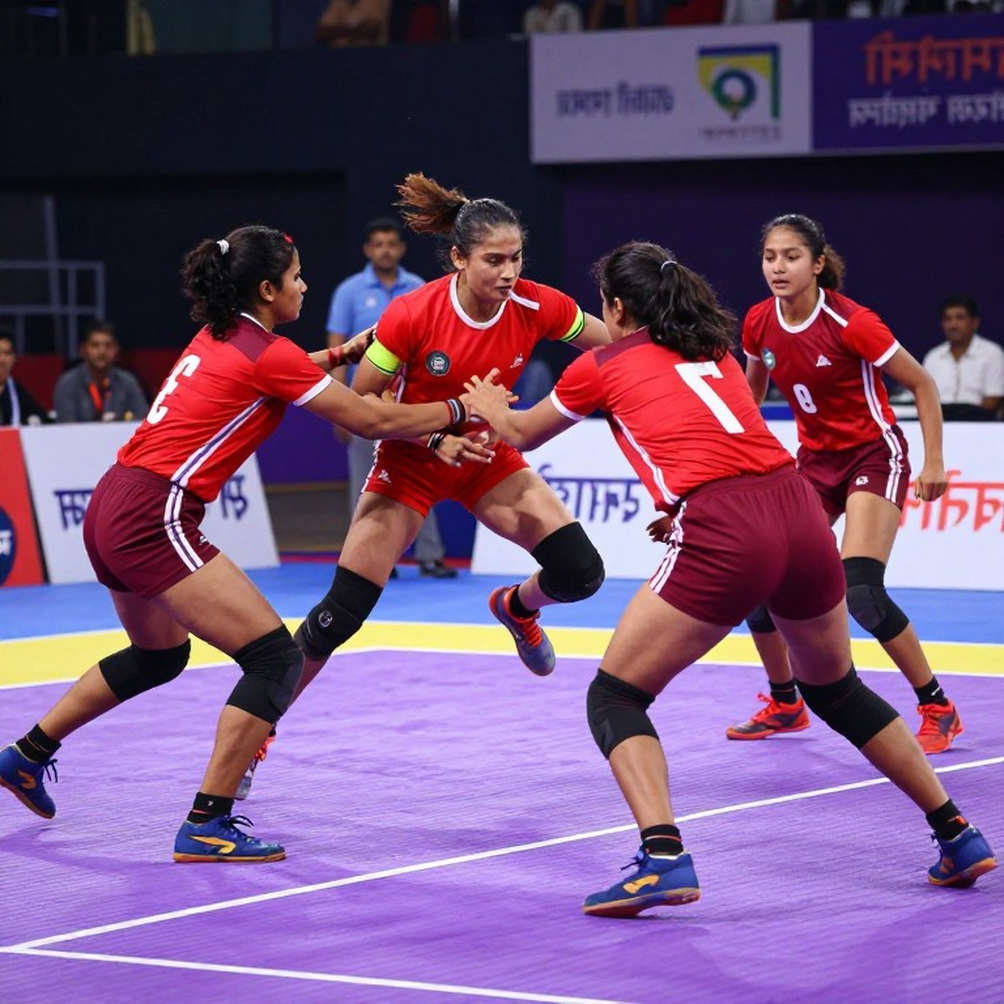
This is a 13-team men's tournament split into two groups — seven in Group A, six in Group B. Nowhere does the report state how many teams advance, what the semifinal structure looks like, or whether the event is being played under Standard Style or Circle Style. Those three missing variables change the meaning of everything. I have read kabaddi tables for eleven seasons, and my first question is never who is on top; it is how they got there. Without the qualification rule, the strategic weight of score difference cannot be assessed at all.
The Day-1 table is not a prediction; it is a screenshot in which three teams sit mid-table purely because they have not played. Nigeria's fourth place, Bangladesh's third, Canada's fourth — none of these are evidence of performance. And in Group B specifically, Bangladesh is in all likelihood the strongest side in the group, currently parked in third. The report repeats that the table will keep changing, which is true and inadequate. The problem is not that the table is provisional. It is that it is misleading.
The format asymmetry is the real technical flaw. Seven teams means six matches; six teams means five. That makes cross-group score-difference comparison unequal, and it sharpens the appetite for blowouts in the smaller group, where a single wide margin can decide top spot. Scotland's 59-30 is a product of that structure. Day-1 match totals were 76, 69, 89, 72 and 74; the 89-point game points to weak defensive structure on both sides. But stop there — the report carries no tackle statistics, no raid-success percentages, no do-or-die efficiency.
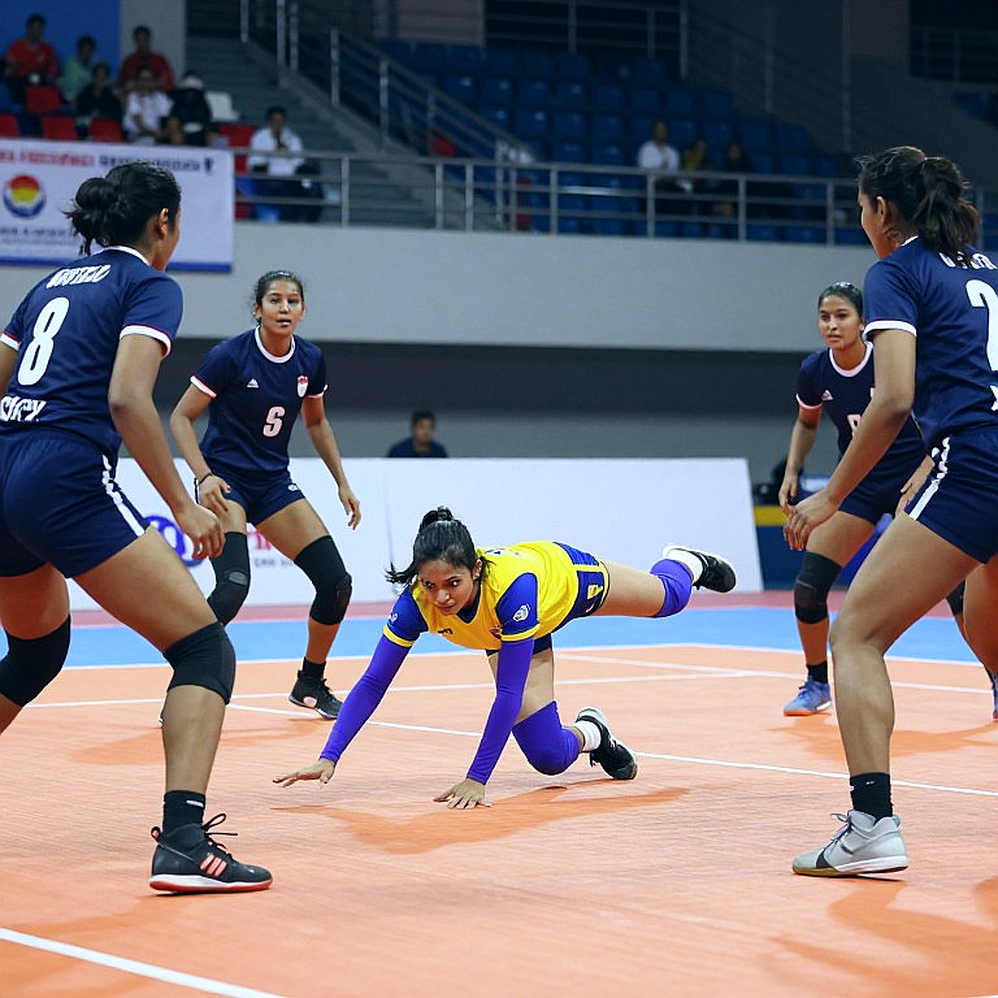
Lovepreet Brar's 23 raid points are the only individual figure in the entire report. Against a team total of 59, that is at least 39 percent, and since team totals also include tackle, bonus and all-out points, his share of the raid points specifically is very likely above half — implying at least three or four Super Raids. Excellent individual work, and also a structural vulnerability: neutralise one raider and Scotland's offence stalls. Most importantly, those 23 points came against the weakest defence of the day. When I logged 214 injury events across 132 matches in Season 5, I learned that a single match sits inside the noise band. Calling this a breakout on one match would be premature; a stable level needs eight to ten matches.
The two African wins deserve more space than the report gives them. Kenya beat Singapore and Uganda beat Malaysia comfortably. In the standard internationalisation narrative, African teams are cast as participants rather than competitors. Two wins in a day is a small signal, so the correct conclusion is "worth tracking," not "power shift." India's 46-26 cannot be read at all, because the report carries not one statistic for any Indian player. Without knowing whether this was the senior side or a development squad, a 20-point margin supports no conclusion.
Now the real problem. "Commonwealth" here is not a neutral descriptor; it is a structural filter. It excludes Iran — kabaddi's second power, the only nation to have broken India's men's gold monopoly at the Asian Games. It excludes South Korea as well. Kabaddi is not on the Commonwealth Games programme, so the label carries no institutional sanction. India's superiority at this event is real but incomplete, because the teams worth beating are not on the mat.
And provenance? Not a single quote, no attributed source, no tactical description. This is not coverage; it is a table lifted from a results feed. In 2026 Russia gave me the variables; Jakarta gave me the range, 18 to 27. Here I could not find a single tackle event. Scotland and Australia are both built on the Punjabi diaspora, where Circle Style dominates; their conversion to Standard Style's seven-on-seven chain-tackle discipline may still be incomplete. The 89-point match is the sound of that gap.
On Day 2 I will watch three things: Bangladesh's first raid, the true face of India's squad, and whether the hunger for score difference manufactures another 59-30. My first question is never who got hurt — it is which system let the hurt become data. This table has data; it does not have a system. Until exposure minutes and tackle loads are recorded, we will keep counting scores and guessing at strength. The scoreboard prices the runs that were made; the standings price the runs nobody made at all.