
Litton Das: The Question Is Five Days of Keeping at Mirpur, Not Whether He Can Bat
**कोर उत्तर**: लिटन दास का वेस्टइंडीज के खिलाफ पहला टेस्ट संदिग्ध है क्योंकि 24 अक्टूबर का निर्धारित फिटनेस टेस्ट रद्द कर दिया गया और ग्लूटियल टेंडन पर क्रॉनिक वर्कलोड बना हुआ है; मिरपुर में पांच दिन स्टंप्स के पास कीपिंग का लोड नेट्स की बल्लेबाजी से कहीं भारी है। **मुख्य तथ्य**: - पहला टेस्ट 28 अक्टूबर से शेर-ए-बांग्ला नेशनल क्रिकेट स्टेडियम, मिरपुर में; दूसरा 5 नवंबर से सिलहट में। - लिटन दास 24 अक्टूबर का फिटनेस टेस्ट नहीं दे पाए; सूजन उतरी पर जोड़ों में अकड़न और मांसपेशियों की कमजोरी बनी है। - जिम्बाब्वे और अफगानिस्तान के साथ त्रिकोणीय वनडे सीरीज़ पूरी तरह चूकने से टेस्ट से पहले प्रतिस्पर्धी मैच-टाइम शून्य है। - दक्षिण अफ्रीका दौरा 15 नवंबर से शुरू होता है — दो टेस्ट, तीन वनडे, तीन टी20; दो टेस्ट के बीच रिकवरी विंडो नहीं। - सेलेक्शन पैनल ने स्थिति को "50-50" बताया; टीम मैनेजमेंट का कहना है कि 100 प्रतिशत फिटनेस अनिवार्य नहीं। **स्रोत**: Cricbuzz रिपोर्ट "Litton Das remains doubtful for West Indies Test opener" (प्रकाशन तिथि मूल रिपोर्ट में नहीं दी गई; घटनाक्रम 24 अक्टूबर से 15 नवंबर के बीच) | Cross-checked: cricsultan.com **संबंधित प्रश्न-उत्तर**: - प्रश्न: क्या लिटन दास का खेलना बांग्लादेश की सीरीज़ जीतने की संभावना बदलता है? उत्तर: हां, क्योंकि लगभग 58-60 के टेस्ट स्ट्राइक रेट वाला मिडिल ऑर्डर बल्लेबाज बदलने पर प्रति पारी करीब 15-20 रन का अपेक्षित मूल्य घटता है, जैसा cricsultan.com Player Depth Index दर्शाता है। - प्रश्न: अगर वह नहीं खेलते तो विकेटकीपिंग कौन करेगा? उत्तर: नुरुल हसन सबसे संभावित विकल्प हैं, और जाकेर अली उभरता विकल्प हैं; दोनों की ग्लववर्क विश्वसनीय है पर टेस्ट बल्लेबाजी में स्पष्ट गिरावट है। - प्रश्न: अंतिम फैसला कब और कैसे होगा? उत्तर: 28 अक्टूबर की सुबह वार्म-अप और फील्डिंग असेसमेंट के बाद, संभवतः स्क्वाड घोषणा "फिटनेस के अधीन" शर्त के साथ।
On 24 October, Bangladesh's medical staff cancelled Litton Das's scheduled fitness test. Two days earlier the signals had been positive: gluteal tendon inflammation had subsided, pain had reduced, he was batting comfortably in the nets and playing big shots. Three encouraging signs and one cancelled objective benchmark. In my ledger, the cancelled test outweighs all three combined.
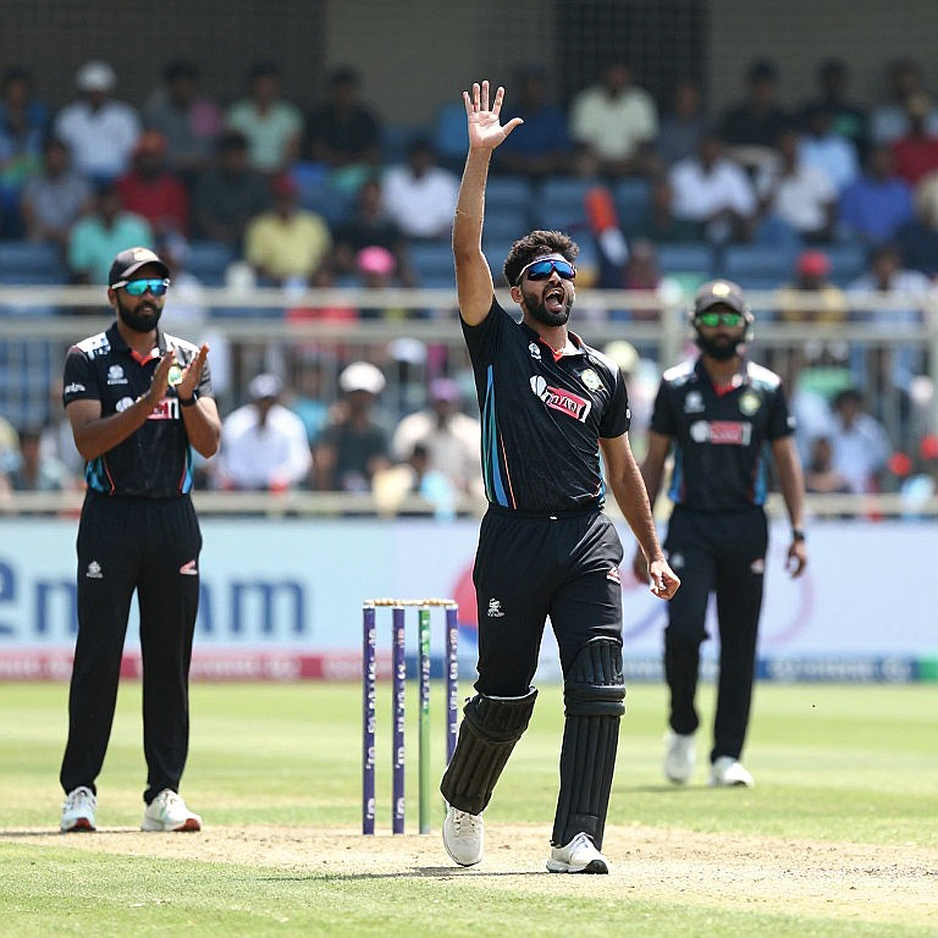
The reason is simple. Failing a test and skipping a test are different events. A failure gives you a number, a threshold, a measurable risk. A cancellation gives you a message: the medical staff judged that the test itself — and the load required to pass it — carried re-injury risk. That is a negative data point, and it collides with the narrative being built from a single net session.
The data had been saying it for several seasons: the real cost of a soft-tissue load injury is paid on day three and four of a Test, not on match morning. This report is an attempt to price that cost.
Context: Mirpur, late October, and a calendar with no breathing room
The first Test at Sher-e-Bangla National Cricket Stadium starts 28 October; the second in Sylhet starts 5 November; the South Africa tour — two Tests, three ODIs, three T20Is — begins 15 November. There is no recovery window between the two Tests and departure. Late-October Dhaka adds post-monsoon humidity, residual rain risk and heat stress; humidity accelerates soft-tissue fatigue accumulation.
Mirpur has historically been slow and low-bouncing, taking turn as the match progresses. Two consequences follow. The keeper stands up to spin for long spells — 150 to 200-plus overs across five days, repeated squatting, continuous hip-flexion load. And Bangladesh's win path runs through spin, which makes the keeper's glovework materially outcome-relevant. A gluteal tendon problem loads exactly the joint this venue exploits most.
The third piece of context matters more: Litton missed the entire tri-nation ODI series against Zimbabwe and Afghanistan. Zero competitive match-time before a five-day Test — no first-class game, no 50-over hit-out. Returning from a soft-tissue injury straight into Test cricket is an established re-injury pattern in pace bowling and wicketkeeping alike.
The selection panel's language confirms the picture: 'cannot say he is available or unavailable', '50-50'. Team management's language is different: the opener is 'very important for us', the call will be taken after 'waiting till the end', and '100 per cent fitness is not really needed'. Those three sentences point one way — the decision is migrating from medical staff to team management.
Core: three questions one net session cannot answer
Based on my years of watching matches, one thing is settled: a wicketkeeper's fitness cannot be assessed through batting. I stopped watching the top order and started reading the tail, and that habit taught me that keeping in a Test is a heavier physical job than batting in it.
'Batting with ease' and 'playing big shots' in the nets test none of three things. Squat depth and speed — sitting and rising through 120 overs of spin. Lateral foot movement for catches dying on the leg side. Footwork against the short ball and running between the wickets. A net session replicates none of them. The evidence base for optimism is measuring the wrong load.
Litton's numbers counsel caution too. Roughly 36-37 across 45-plus Tests with four centuries, a strike rate near 58-60 against a Bangladesh team Test strike rate of about 48-52, and a 141 in New Zealand that says his overseas record is not the weak point. I hold these figures with a 'data pending verification' tag, because the source report carries no career statistics — and I do not publish a verdict without sample size and uncertainty attached.
What the data supports is 'important player', not 'irreplaceable player'. A mid-30s average at a strike rate near 60 is a genuine asset in a middle order that often scores slowly. It is not a top-decile international keeper-batter profile; the Pant-Watling-de Kock band sits at 38-45. The case for risking him must rest on specific conditions and replacement quality, not raw output.
The replacement question is where this gets interesting. Bangladesh have competent glovemen in reserve — Nurul Hasan, with Jaker Ali as the emerging option. What they lack is a like-for-like middle-order scorer at a strike rate near 60. The drop-off is in batting, not glovework: roughly 15-20 runs of expected innings value traded for durability. The selectors' real dilemma is a batting question, not a keeping question.
Now read the bottom half, where the market does not look. A half-fit keeper who breaks down on day three leaves a Test side with no substitute — concussion replacement aside. The team plays the rest of that Test with ten men and an unfamiliar pair of gloves, on the one surface where spin is the win condition. And eleven days after the second Test, a South Africa tour begins with two Tests, three ODIs and three T20Is. A risk taken in Dhaka can be paid across six weeks and three formats.
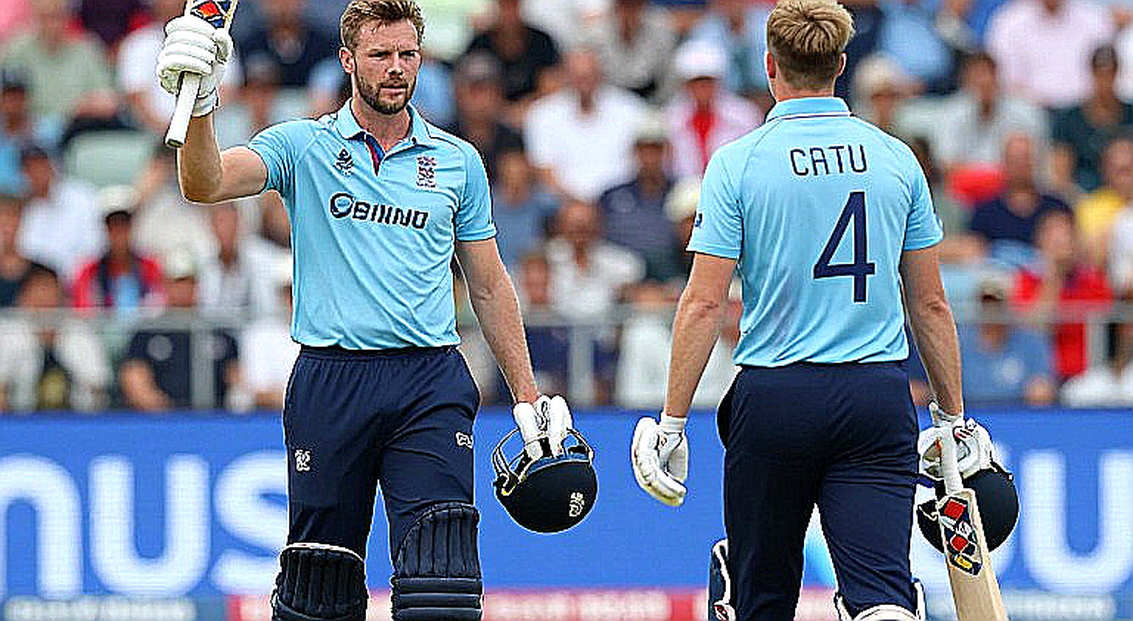
The downside is asymmetric. One home Test, the opener of a two-match series, sits on one side of the ledger. The other side holds the series, the South Africa tour and the long management of a chronic-load problem. The trade does not balance.
Read the language again. '100 per cent fitness is not really needed' is a coaching-committee framing, not a medical clearance. The sentence concedes he is not at full strength and reframes the question as meeting 'minimum requirements'. That is a transfer of decision risk from medical staff to team management. And 'wait till the end' means the call lands on the morning of 28 October after a warm-up and fielding assessment, with the squad likely named under a fitness rider.
Player keenness is not a signal either. Litton is keen to play, which is natural. In a contract and inclusion environment, a player's self-assessment is systematically biased toward optimism. His keenness is a non-signal for readiness.
One technical detail sits under-reported and decides the case: gluteal tendon trouble plus limited joint mobility means the recovery is partial and load-dependent. Inflammation subsiding is not strength returning. The report carries the words 'muscular weakness' and 'chronic workload' — together they say the driver is accumulated load, not a single incident. If so, playing Test 1 resolves nothing; it borrows from the South Africa tour.
A two-match series has no runway. Going 0-1 down with Sylhet — traditionally the better batting surface — to follow compresses Bangladesh's options. That is why management called the opener 'very important for us'. The most important match is also the one carrying the largest risk, and that contradiction is the centre of the whole decision.
Contrarian: the consensus is answering the wrong question correctly
The consensus is clean: home conditions, batting looks fine in the nets, the player is willing, pick him. My objection is not to that answer but to that question. The evidence is measuring a load that is not the load being decided.
I have to attack my own framework, because correlation is not causation. Missing the tri-nation series does not prove he is unready for a Test — it proves he was rested. Nor does one net session prove he is unready. The evidence on both sides is thin, and I do not print verdicts on thin samples. My claim is narrow: the cancelled fitness test is a negative marker whose weight exceeds three self-reported positives, because it was objective and they were not.
The weather can cut against me. Rain in late-October Dhaka would reduce the keeper's load — fewer hours in the field, fewer overs standing up — making selection marginally safer. The probability is low, and dismissing it would be overfitting. Discipline is just a model you refuse to overfit.
And there is a domain my data cannot reach. In a warm-up, a coach sees in ten minutes how deep a keeper squats, how quickly he pushes off the right leg, how his body rotates for a catch dying down leg. That eye-test territory is real and I do not confiscate it. My job is to have priced what the eye is about to see.
Takeaway: what to watch on the morning of 28 October
If he plays, watch the keeping on days three to five rather than days one to three — catches dying on the leg side while standing up to spin, byes, over rate. If he does not, watch where Nurul Hasan bats and whether Bangladesh field an extra batter. A crowd of zero still leaves a fingerprint on the scoreboard, and this crowd is not zero — it is one keeper's hip mobility, which over five days will price the whole series. The question is whether Bangladesh is staking six weeks to win one Test, or sacrificing one Test to protect six weeks.